The creative job you are given is rarely the creative job you will eventually need.
One of the first questions we ask at the start of a creative project is deceptively simple: what happens next?
A client may come to us with a requirement for one asset, in one size, for one channel. By the time the project is finished, that asset may need to appear across social, digital, print, email, stadium environments and other parts of the campaign.
If we only design for the first requirement, we can create unnecessary work for everyone later.
Designing with scale means looking beyond the immediate brief before production starts.
That might mean understanding the potential scope, identifying the channels available, thinking about how the creative could be adapted and making decisions that allow the idea to travel. Sometimes the wider opportunity has not yet been considered by the client. That is where experience can help.
And sometimes the process works in reverse: a project may look broad at the outset, but a closer look can reveal a simpler and more efficient way of delivering it.
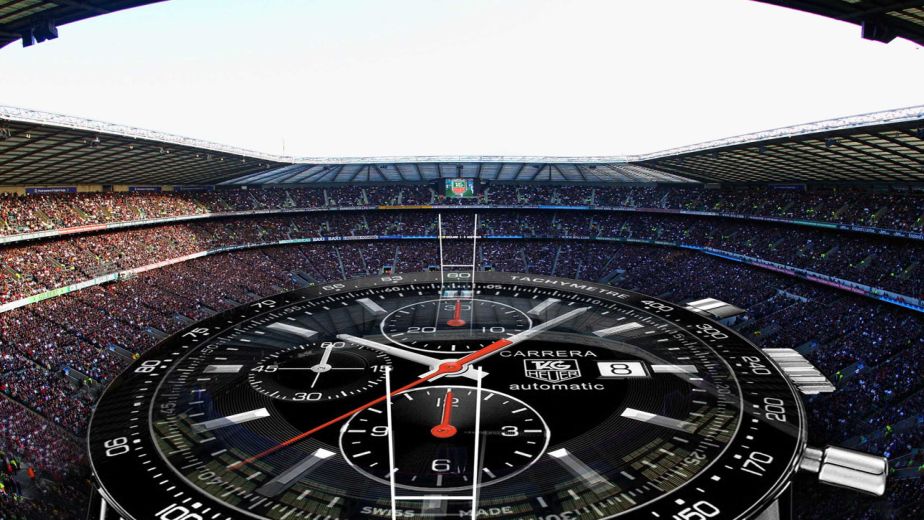
We saw the value of this approach when we were starting to work with the WRU. The original brief was relatively straightforward: create email heroes for retail campaigns.
Rather than treating the email asset in isolation, we asked what the client was trying to achieve, how success would be measured and which channels were available both on and offline. We then proposed creating three campaigns using the channels we selected for a set fee, allowing the work to operate as a joined-up campaign rather than a collection of separate executions.
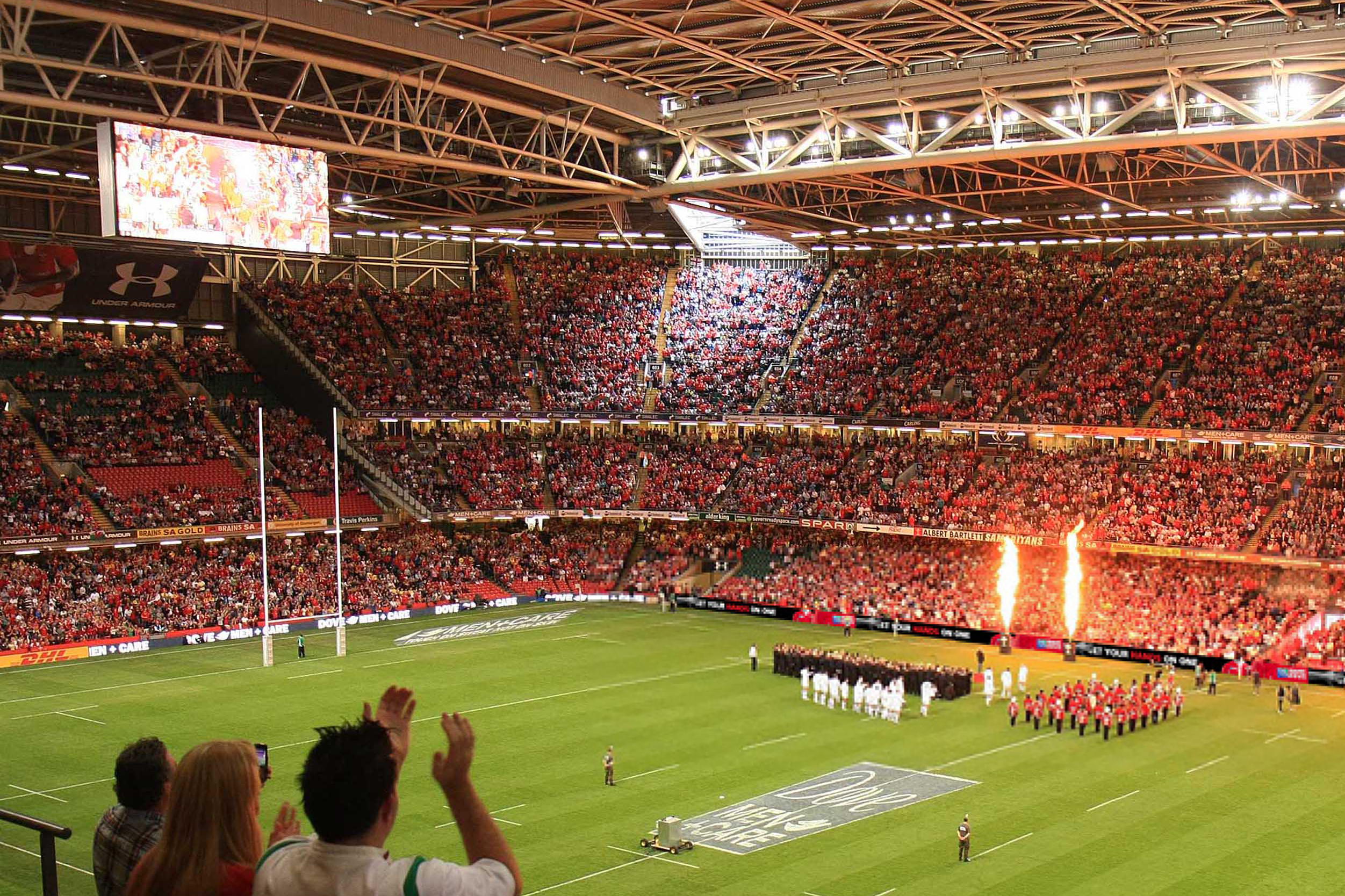
The campaigns were successful with fans, appearing not only in targeted inboxes but also in and around the stadium on matchdays. The relationship subsequently flourished, as did the return on investment, and the project helped change the client’s view of what was possible.
That is the real value of thinking about scale.
It is not about making more assets for the sake of it. It is about asking the right questions early enough to make the creative work harder later.
Before starting a project, we think it is worth asking:
Where will this idea appear?
Who will need to use it?
How many formats might it require?
Could it move beyond the original channel?
What happens if the campaign succeeds?
How much of the production can be planned now rather than solved later?
The first deliverable is only the beginning.
Good creative should be designed not just for the brief in front of you, but for the possibilities that sit behind it.
Talk to us before your next campaign becomes ten different jobs.